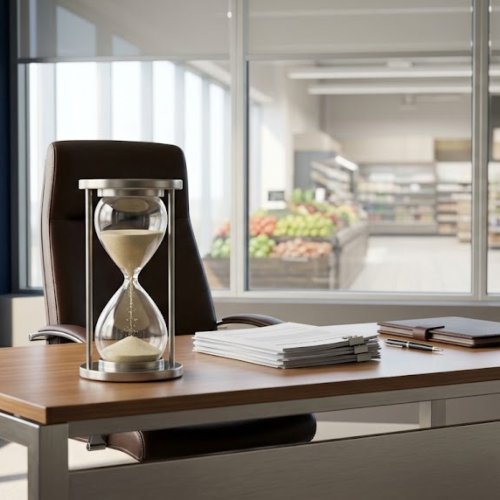
For the first time in several years, grocery retailers are facing a very different challenge. Sales growth is no longer being driven simply by inflation. Unit volume has softened, shoppers are making fewer purchases per trip, and consumers continue searching aggressively for value. Bain’s analysis shows grocery has entered a period where retailers are competing for market share, not just participating in a growing market. Many retailers have spent the past year focusing on expense control, labor efficiency, and protecting margins. Those remain important. But with the fourth quarter approaching, the most important selling season of the year, the retailers that outperform won’t necessarily be those that cut costs the most. They will be the ones with the strongest leadership.
After more than two decades recruiting executives across grocery retail, one thing becomes very clear during slower markets. Great talent creates sales momentum.
The Positions That Matter Most Right Now
1. Merchandising Leadership
If there is one executive capable of changing the direction of a retailer’s sales over the next six months, it’s the merchandising leader.
Today’s shopper isn’t simply looking for low prices.
They’re looking for confidence that they’re getting value.
That means merchants must:
- Build compelling promotional calendars
- Optimize assortment without creating unnecessary complexity
- Expand private label strategically
- Eliminate low-performing SKUs
- Partner with suppliers for stronger funding opportunities
- Create excitement around seasonal merchandising
In today’s environment, merchandising isn’t just about buying product.
It’s about winning trips.
2. Category Managers and Buyers
The best category managers have become mini-CEOs of their business.
They’re balancing:
- Pricing
- Promotions
- Vendor negotiations
- Margin optimization
- Inventory investment
- Consumer insights
One outstanding category manager can influence tens of millions of dollars in annual sales.
Multiply that across center store, fresh, meat, produce, dairy, frozen, bakery, deli, and HBC.
The impact becomes enormous.
3. Store Operations Leadership
Execution wins in grocery.
A brilliant merchandising strategy means very little if stores cannot execute it consistently.
Strong operations leaders ensure:
- Promotional displays are built correctly
- In-stock conditions remain high
- Labor is scheduled efficiently
- Customer service remains exceptional
- Departments maintain standards
- Managers are coached daily
Consumers notice execution.
They also notice when it disappears.
4. District Managers
Many retailers underestimate the influence of exceptional district leadership.
The best District Managers don’t simply inspect stores.
They develop Store Directors.
They identify performance gaps.
They coach.
They solve problems before they become financial problems.
One great District Manager can improve performance across 10 to 20 stores simultaneously.
That’s scale.
5. Store Directors
Store Directors remain the single biggest competitive advantage in brick-and-mortar grocery.
They influence:
- Customer experience
- Associate engagement
- Sales execution
- Shrink
- Labor productivity
- Community involvement
- Talent retention
Great Store Directors create stores customers want to return to.
Average Store Directors simply keep the lights on.
6. Fresh Department Leadership
When consumers become more selective with spending, fresh departments become even more important.
Produce. Meat. Seafood. Bakery. Prepared Foods.
These departments create differentiation that online competitors struggle to replicate.
Outstanding fresh leaders improve:
- Gross margin
- Basket size
- Trip frequency
- Customer loyalty
Fresh remains one of the biggest reasons shoppers choose one grocery store over another.
7. Digital and Loyalty Leaders
Consumers are no longer choosing between digital and physical grocery shopping.
They’re using both.
The retailers winning today are integrating:
- Personalized offers
- Loyalty analytics
- Mobile engagement
- Digital coupons
- E-commerce
- Retail media
- AI-driven personalization
Research from EMARKETER increasingly shows that personalized loyalty programs drive significantly higher customer spend and retention.
Technology doesn’t replace great merchandising.
It amplifies it.
8. Human Resources Leadership
The labor market has improved compared to several years ago.
Leadership quality has not.
Strong HR executives now play a strategic role by helping retailers:
- Develop future leaders
- Improve retention
- Strengthen onboarding
- Build succession plans
- Protect company culture
Every vacant leadership role creates additional stress for the leaders who remain.
Eventually, performance slips.
The Cost of Waiting
One mistake many organizations make during slower sales periods is delaying critical hiring decisions.
The thinking often goes like this. Let’s wait until sales improve.
Unfortunately, sales often improve because leadership improves, not the other way around.
Every month a critical leadership position sits vacant is another month competitors gain ground.
The Best Retailers Will Invest While Others Pause
Economic slowdowns have a way of separating good companies from great ones.
The strongest grocery retailers understand that leadership is not an expense.
It’s an investment.
As the industry heads into the fourth quarter, the organizations that have the right merchants, operators, buyers, district leaders, and store executives in place will be positioned to capture market share while others continue reacting to changing conditions.
Final Thoughts
Because in today’s grocery industry, the market may be slowing.
But great leadership never goes out of style.
Brett Myers is Managing Director of The Carlisle Group with 25 years of executive search experience in the grocery retail, wholesale and distribution sectors. To connect, he can be reached directly at bcm@tcgrecruit.com.